

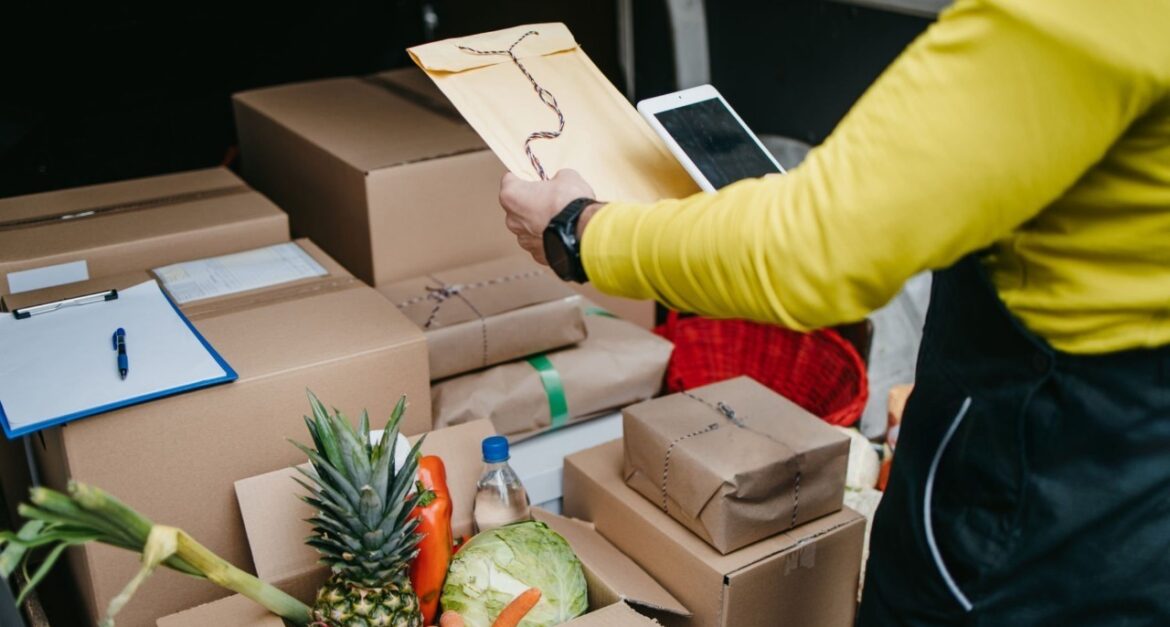
Introduction: Why Availability Defines Retail Success in Saudi Arabia
Retail in Saudi Arabia is entering a new era. Consumers expect shelves to be full, assortments to be consistent, and essential goods to be available every day—whether they shop in hypermarkets, pharmacies, mini-markets, or online platforms. With the country’s expanding population, rising income levels, and aggressive retail infrastructure development, the demand for fast-moving consumer goods (FMCG) is growing at record speed.
But behind every stocked shelf is a logistics challenge. Products must move from ports, factories, and suppliers to distribution centers, then to stores, warehouses, and fulfillment hubs—all without delays. Long routes between major cities, strict temperature-control requirements, growing online orders, and volatile demand patterns make FMCG distribution in Saudi Arabia one of the most complex operations in the region.
This is where professional logistics services become essential. A precise, reliable, and fast distribution network keeps retailers competitive. When managed correctly, FMCG distribution eliminates stockouts, minimizes expired inventory, improves freshness, and reduces operational costs. Providers like Palm Horizon KSA enable brands and retailers to maintain product availability at scale through advanced storage, transportation, and distribution systems tailored for the Kingdom’s unique market.
This article explores how retail and FMCG distribution operates in Saudi Arabia, why it has become mission-critical for business growth, and what modern logistics providers must deliver to keep pace with consumer expectations.
What FMCG Distribution Means in the Saudi Market
FMCG distribution refers to the structured movement of high-velocity consumer products from manufacturers or importers to retail shelves. These include:
- Packaged foods
- Beverages
- Dairy and frozen products
- Household care essentials
- Personal care items
- Health and wellness goods
- Pharmaceuticals
- Beauty and cosmetics
- Baby products
- Pet supplies
Because FMCG goods move quickly and must maintain freshness and availability, their distribution networks require speed, accuracy, and temperature-appropriate handling.
In Saudi Arabia, FMCG distribution covers three main areas:
1. Movement from ports or factories to warehousing hubs
Most FMCG goods are imported through Jeddah Islamic Port, King Abdulaziz Port, and King Abdullah Port. Efficient customs clearance and inland transportation are crucial to avoiding delays.
2. Storage in multi-temperature facilities
Products must be stored in ambient, chilled, or frozen areas depending on category. Expiry control and FEFO (First-Expire-First-Out) processes are essential.
3. Distribution to retailers and eCommerce hubs
This includes bulk deliveries to hypermarkets, mixed loads to supermarkets, frequent micro-deliveries to minimarts, and single-unit pick-pack for online platforms.
Saudi Arabia’s geography and retail density make this one of the most reliability-dependent supply chain roles in the region.
Why FMCG Distribution Is More Complex Than Standard Logistics
FMCG distribution is not simply about moving goods—it’s about maintaining product availability under strict time and quality constraints.
High-Speed Inventory Turnover
FMCG products sell daily. Distribution networks must manage rapid inventory cycles, frequent replenishment, and large SKU volumes.
Strict Temperature Requirements
Many products—dairy, meat, ice cream, beverages—must remain within exact temperature zones throughout the entire journey.
Expiry and Shelf-Life Management
Retailers expect distributors to rotate stock correctly, track expiry dates, and prevent damaged or expired goods from reaching shelves.
Demand Volatility
Events like Ramadan, Hajj, school seasons, and promotional festivals create unpredictable demand spikes.
High Retail Density
Saudi Arabia has thousands of retail outlets across wide distances, requiring efficient routing and network planning.
Omni-Channel Distribution Pressures
Retail and eCommerce now overlap. Logistics networks must support both pallet deliveries and order-level pick-pack operations.
Because of these demands, only specialized, well-equipped logistics providers can deliver reliable FMCG distribution at scale.
Essential Capabilities for Effective FMCG & Retail Distribution
Delivering products quickly and accurately requires a set of operational capabilities that directly influence retail success.
1. Multi-Temperature Warehousing
FMCG distribution cannot function without temperature-controlled zones:
- Frozen
- Chilled
- Ambient
Products must be segregated, monitored, and tracked to maintain freshness, safety, and compliance.
2. Fast and Accurate Order Processing
Retailers expect:
- On-time deliveries
- Accurate item counts
- Proper pallet configuration
- Full SKU visibility
Small mistakes in picking or packing cause big problems on the shelf.
3. Flexible Delivery Models
Providers must serve:
- Hypermarkets needing pallet loads
- Supermarkets needing mixed pallets
- Neighborhood stores needing small case deliveries
- Pharmacies needing carton-level precision
- Online orders requiring piece-level fulfillment
The more flexible the logistics network, the stronger its value.
4. Daily Store Replenishment
High-speed replenishment ensures retailers avoid stockouts. Daily deliveries are common in FMCG categories such as grocery, beverages, and dairy.
5. Real-Time Inventory Visibility
Brands and retailers need full transparency, including:
- Stock levels
- Batch/lot details
- Expiry dates
- Temperature logs
- Delivery performance
- Forecast accuracy
This prevents both stockouts and overstocks.
6. Strong Cold Chain Integrity
Temperature compliance is essential for product safety. Cold chain logistics in Saudi Arabia must be reliable in extreme heat.
7. Route Optimization & Fleet Efficiency
Fuel costs, delivery time, and distance between cities require smart route planning to maintain performance and cost-efficiency.
8. Regulatory & Quality Compliance
FMCG categories must follow Saudi standards for:
- Labeling
- Traceability
- Food safety
- Shelf-life
- Transport safety
Incorrect compliance causes penalties and shipment delays.
These capabilities determine whether retailers stay stocked or struggle with inconsistency.
Industries Reliant on FMCG & Retail Distribution
FMCG distribution supports nearly every consumer-facing industry in the Kingdom.
1. Supermarkets & Hypermarkets
Retailers like Carrefour, Lulu, Danube, HyperPanda, Othaim, and Tamimi depend on daily replenishment. Their operations collapse if deliveries are late or incorrect.
2. Pharmacies & Health Retail
Pharmacy supply chains require strict temperature zones, expiry control, batch tracking, and SKU-level precision.
3. Convenience Stores
Baqala, gas-station stores, and neighborhood markets need frequent, smaller deliveries to maintain availability.
4. HoReCa (Hotels, Restaurants, Cafes)
Food service customers expect consistent supply of frozen, chilled, and dry products at strict quality levels.
5. Beauty, Cosmetics & Personal Care
These categories involve high SKU complexity and demand accurate, fast inventory movement.
6. Online Grocery & Quick-Commerce Platforms
eCommerce needs flexible delivery models, fast restocking, and high picking accuracy.
Each sector requires a different distribution approach, making adaptability essential.
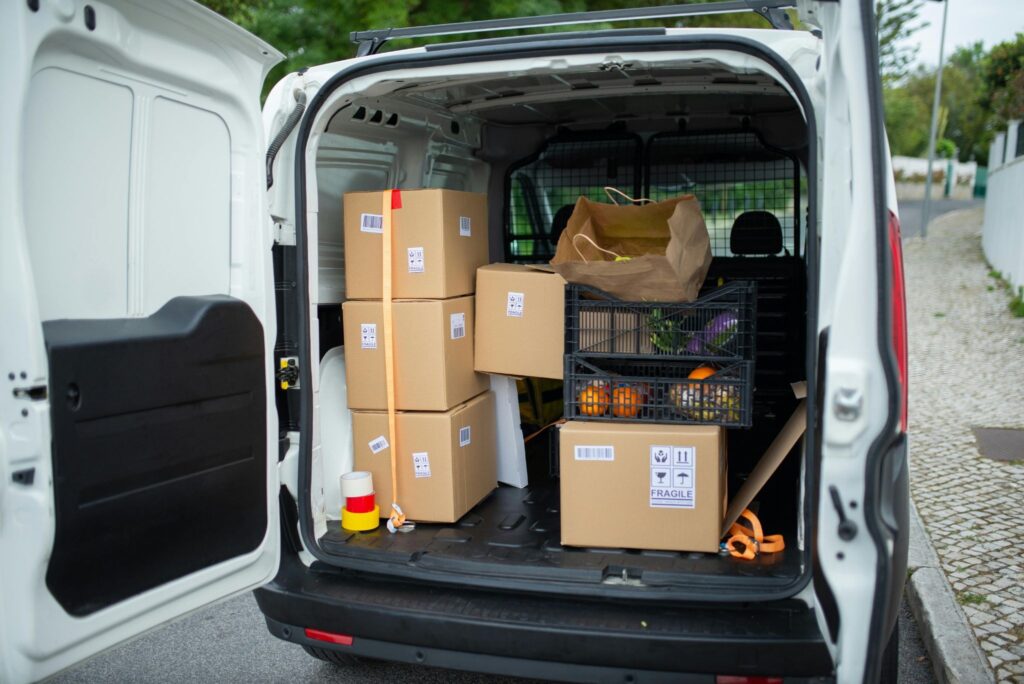
Real-World Applications You See in the Saudi Market
1. Eliminating Shelf Gaps for Chain Retailers
Retailers depend on distributors to ensure that high-demand items are always available. FMCG distribution networks use predictive inventory models and POS feedback loops to reduce stockouts.
2. Maintaining Freshness for Perishable Items
Dairy, frozen products, and fresh beverages need continuous temperature control. Any break in the chain affects shelf-life and customer satisfaction.
3. Supporting Both Retail and eCommerce from One Network
Brands operating in both offline and online channels need unified distribution. A single logistics network ensures faster delivery, lower costs, and consistent stock availability.
4. Faster Market Entry for New FMCG Brands
New products or brands entering Saudi Arabia rely on distribution partners to reach retail shelves without having to invest in infrastructure.
5. Handling Promotional and Seasonal Peaks
Ramadan, Black Friday, National Day, and back-to-school seasons create massive spikes in demand. Fast-moving logistics keeps shelves stocked during these periods.
How FMCG Distribution Functions Step-by-Step
1. Receiving Goods
Imports and local goods arrive at distribution centers. Teams verify quantities, inspect items, and log them into the system.
2. Storage and Categorization
Products enter designated temperature zones. Items are grouped by category, brand, expiry date, and demand level.
3. Order Management and Picking
Retail orders are processed through handheld systems, ensuring accuracy and speed. Picking may be:
- Pallet-level
- Case-level
- Item-level
depending on the customer.
4. Consolidation and Packaging
Orders are consolidated, labeled, and prepared for shipment. Proper handling ensures efficiency at the receiving store.
5. Route Planning and Dispatch
AI or software systems optimize delivery routes based on:
- Distance
- Traffic
- Delivery windows
- Store priority
- Vehicle temperature requirement
6. Delivery to Retailers or Fulfillment Hubs
Drivers follow strict unloading and verification protocols. Each delivery is logged electronically to maintain visibility.
7. Returns, Expiry, and Reverse Logistics Handling
Expired or damaged items are collected and returned responsibly, ensuring compliance.
8. Reporting and Forecasting
Retailers and brands receive performance reports covering:
- Inventory turnover
- Fill rates
- Temperature performance
- Forecast accuracy
- Lead times
This data improves long-term planning.
Modern FMCG Distribution vs. Old-Style Logistics in KSA
| Metric | Old-Style Logistics | Advanced FMCG Distribution |
| Delivery speed | Slow | Daily or multiple daily |
| Inventory tracking | Manual | Full digital visibility |
| Temperature zones | Limited | Multi-zone controlled |
| Accuracy | Moderate | High precision |
| Retail compatibility | Generic | Retail-specific handling |
| Forecasting | Minimal | Data-driven |
| Order flexibility | Low | High |
| Scalability | Limited | Nationwide coverage |
Saudi Arabia’s retail growth demands the modern model—not traditional logistics.
Why FMCG & Retail Companies Choose Palm Horizon KSA
Palm Horizon KSA provides logistics services specifically engineered for the speed, complexity, and temperature requirements of FMCG distribution.
Key Strengths
- Nationwide logistics coverage
- Multi-temperature warehousing
- Daily and scheduled store deliveries
- Item-level accuracy for retailers and eCommerce
- High fill-rate performance
- Cold-chain integrity through Saudi heat
- Strong retail relationships and compliance experience
- Port-to-shelf logistics including customs clearance
- Technology for inventory visibility and reporting
Their systems help brands reduce operational costs, maintain availability, protect product freshness, and scale quickly.
For brands entering or expanding in Saudi Arabia, Palm Horizon KSA functions as a comprehensive logistics backbone.
Frequently Asked Questions
1. What makes FMCG distribution essential in Saudi Arabia?
Fast-moving consumer goods require rapid replenishment, temperature control, and accurate inventory handling. Without a specialized distribution network, retailers face stockouts, expired goods, and inconsistent supply.
2. How do retailers in Saudi Arabia avoid stockouts?
They rely on fast replenishment, accurate demand forecasting, multi-drop delivery routes, and real-time inventory visibility provided by logistics companies.
3. What temperature zones are required in FMCG distribution?
Three zones are essential: frozen, chilled, and ambient. Each category needs strict temperature compliance during storage and transport.
4. Do FMCG distributors support both retail and online orders?
Yes. Modern distribution networks support pallet loads for stores and item-level pick-pack operations for online grocery and quick-commerce platforms.
5. What KPIs measure FMCG distribution performance?
Fill rate, delivery accuracy, temperature compliance, stock availability, inventory turnover, and forecast accuracy are the major KPIs.
6. Why is cold chain logistics so important in Saudi Arabia?
The climate demands strict temperature management to ensure food safety, freshness, and compliance with health regulations.
7. How does FMCG distribution support market entry for new brands?
By offering ready infrastructure—warehousing, delivery routes, retail connections, and customs clearance. This allows new brands to scale without investment.
8. What problems occur when FMCG distribution is poorly managed?
Stockouts, late deliveries, expired products, inventory loss, inconsistent category performance, and customer dissatisfaction.
Conclusion: Reliable FMCG Distribution Powers Saudi Arabia’s Retail Growth
Saudi Arabia’s retail sector is expanding faster than ever, with consumers demanding constant product availability and retailers pushing for consistency across all categories. FMCG distribution sits at the center of this growth. A precise, fast, and temperature-controlled logistics network ensures shelves remain stocked, online orders are fulfilled on time, and products stay fresh and safe.
Logistics providers like Palm Horizon KSA enable retailers and brands to maintain performance at scale. With multi-temperature storage, nationwide delivery capability, strong compliance, advanced software tools, and industry-specific expertise, they serve as a strategic distribution partner—not just a transportation provider.
For FMCG companies seeking reliability, speed, and scalability in the Kingdom, the path is clear:
Partner with a logistics provider built for Saudi Arabia’s dynamic retail ecosystem.