

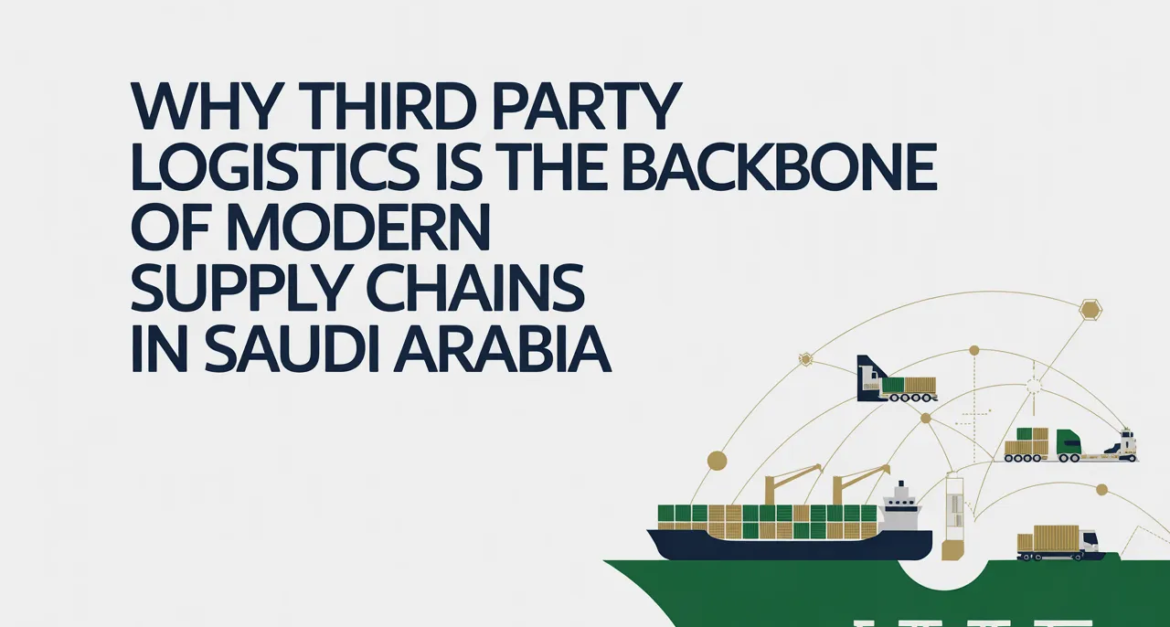
Are supply chain disruptions silently draining your profits and slowing your business growth in Saudi Arabia? Every delayed shipment, customs hold, inventory shortage, or unexpected freight cost creates pressure on your operations and damages customer trust. In today’s competitive Saudi market, fragmented logistics systems are no longer sustainable. Managing separate providers for warehousing, freight forwarding, transportation, and compliance often leads to miscommunication, rising expenses, and operational instability. As trade volumes expand and delivery expectations accelerate, businesses without structured logistics integration face increasing risk, reduced visibility, and shrinking margins.
Here is the solution: integrated Third Party Logistics. By centralizing warehousing, freight forwarding, customs clearance, transportation, and real-time tracking under one coordinated framework, businesses gain control, transparency, and efficiency. Instead of reacting to disruptions, companies operate proactively with improved cost optimization and structured risk management. A professional logistics partner transforms scattered supply chain activities into one unified system designed for resilience and scalability. In Saudi Arabia’s rapidly evolving trade environment, partnering with an experienced provider like Palm Horizon ensures your supply chain operates with stability, compliance, and long-term strategic strength.
The Rising Importance of Third Party Logistics in Saudi Arabia
Saudi Arabia is positioning itself as a global logistics hub under Vision 2030. Expanded ports, free zones, smart infrastructure, and digital customs platforms are reshaping trade flows. However, growth has introduced complexity:
- Multiple regulatory layers
- High cargo volumes
- Multimodal transport coordination
- Industrial and project-based logistics
- Expanding e-commerce demand
Without integration, these variables increase risk.
Professional Third Party Logistics providers centralize supply chain operations, ensuring that every stage — from inbound freight to final delivery — operates within one strategic system.
Warehousing: The Stability Layer
Warehousing under an integrated 3PL model is no longer passive storage. It is a strategic control point.
Modern warehousing solutions include:
- Inventory management systems
- Demand forecasting alignment
- Temperature-controlled facilities
- Cross-docking operations
- Secure storage environments
Strategic warehousing reduces delivery delays and improves inventory turnover. It also strengthens Cost optimization by minimizing excess stock and emergency shipping expenses.
Freight Forwarding: Managing Global Trade Routes
Saudi Arabia’s geographic position connects Asia, Europe, and Africa. Efficient Freight forwarding is essential for international trade.
Through structured Third Party Logistics, freight forwarding includes:
- Carrier contract negotiation
- Multimodal coordination (air, sea, land)
- Documentation management
- Consolidated shipments
- Route efficiency planning
This reduces unpredictability and ensures smoother trade flows.
Customs Clearance: Protecting Compliance
Regulatory compliance in Saudi Arabia is strict and documentation-driven. Errors result in port delays, storage penalties, and reputational damage.
Professional Customs clearance services ensure:
- Accurate classification and documentation
- Regulatory alignment
- Pre-clearance coordination
- Duty and tax management
When customs clearance is integrated into Third Party Logistics, delays decrease and operational continuity improves.
Transportation: Operational Execution
After clearance and storage, structured Transportation ensures goods reach their destination efficiently.
Integrated transportation includes:
- Fleet coordination
- Route optimization
- Heavy cargo movement
- Intercity distribution
- Last-mile delivery planning
Disconnected transport systems increase costs. Coordinated transportation strengthens Cost optimization and delivery reliability.
Real-Time Tracking: Visibility and Control
Modern supply chains require transparency. Real-time tracking provides:
- Live shipment visibility
- Estimated delivery timelines
- Risk alerts
- Performance analytics
Without tracking systems, businesses react to problems after damage occurs. With integrated visibility, supply chains become proactive.
Third Party Logistics transforms tracking into a strategic decision-making tool.
Cost Optimization Through Integration
Many businesses assume outsourcing increases expenses. In reality, structured integration drives Cost optimization through:
- Consolidated freight
- Reduced warehousing inefficiencies
- Lower demurrage penalties
- Optimized transport routes
- Improved inventory turnover
Fragmented systems multiply hidden costs. Integrated logistics eliminates redundancy.
Risk Management in a Complex Trade Environment
Supply chains face unpredictable variables:
- Port congestion
- Fuel price shifts
- Regulatory changes
- Route disruptions
Professional Risk management within Third Party Logistics frameworks includes:
- Alternative routing strategies
- Carrier diversification
- Compliance monitoring
- Inventory safety planning
- Insurance coordination’
Risk management ensures disruptions do not escalate into operational crises.
Why Businesses Are Shifting Toward Third Party Logistics
The shift is driven by:
- Scalability requirements
- Expansion into international markets
- Need for transparency
- Operational complexity
- Demand for faster fulfillment cycles
Modern supply chains cannot rely on disconnected service providers. Structured Third Party Logistics delivers operational discipline.
Strengthening Supply Chains in Saudi Arabia
Integrated logistics frameworks align businesses with Saudi Arabia’s evolving trade environment. A structured logistics partner ensures coordination across warehousing, freight forwarding, customs clearance, transportation, and digital tracking systems.
For businesses seeking professional logistics integration, Palm Horizon delivers structured solutions designed to support modern supply chains with stability and control.
Conclusion
Third Party Logistics is the backbone of modern supply chains in Saudi Arabia because it unifies operations under one strategic system instead of leaving businesses to manage disconnected providers. In a rapidly expanding trade environment aligned with Vision 2030, integration has become critical for stability and growth. Structured Warehousing stabilizes inventory and improves stock control, while professional Freight forwarding connects Saudi businesses to global markets through coordinated air, sea, and land solutions. Efficient Customs clearance ensures compliance with regulations and reduces costly border delays, and optimized Transportation guarantees timely delivery across cities and industrial hubs.
At the same time, Real-time tracking enhances shipment visibility, allowing proactive decision-making and stronger operational control. Integrated systems drive Cost optimization by reducing redundancies, emergency freight expenses, and penalty charges, while structured Risk management protects supply chains from disruptions, congestion, and regulatory changes. In today’s competitive logistics landscape, businesses that adopt structured Third Party Logistics frameworks gain resilience, efficiency, and long-term sustainability. Companies looking to strengthen their supply chain performance across the Kingdom can rely on Palm Horizon for coordinated logistics solutions designed to support consistent and scalable growth in Saudi Arabia.
FAQs
What is Third Party Logistics?
Third Party Logistics (3PL) is the outsourcing of logistics functions such as warehousing, freight forwarding, customs clearance, transportation, inventory management, order fulfillment, and real-time tracking to a specialized logistics provider. Instead of managing multiple vendors, businesses operate under one integrated system that handles end-to-end supply chain coordination.
How does Third Party Logistics improve efficiency?
Third Party Logistics improves efficiency by centralizing supply chain operations under a single control structure. It strengthens coordination between storage, shipping, and delivery, enhances visibility through tracking systems, reduces redundant costs, improves transit times, and streamlines communication across the entire logistics network.
Is Third Party Logistics suitable for growing businesses?
Yes. Third Party Logistics is highly suitable for growing businesses because it offers scalability without heavy infrastructure investment. Companies can expand into new markets, handle seasonal demand fluctuations, and increase shipment volumes without building their own warehouses, fleets, or customs teams.
Does Third Party Logistics reduce risk?
Yes. Integrated risk management strategies within 3PL frameworks minimize disruptions caused by regulatory changes, port congestion, fuel price shifts, or route delays. Backup routing, compliance monitoring, insurance coordination, and shipment visibility protect operational continuity.
What industries benefit most from Third Party Logistics?
Industries such as retail, e-commerce, oil and gas, construction, healthcare, manufacturing, and import-export businesses benefit significantly due to complex logistics requirements and regulatory compliance needs.
Can Third Party Logistics help with international expansion?
Yes. 3PL providers manage global freight forwarding, documentation, customs compliance, and multimodal coordination, making international trade smoother and more predictable.
Is Third Party Logistics cost-effective in the long term?
Yes. Through shipment consolidation, optimized transportation, reduced penalties, and improved inventory turnover, Third Party Logistics supports long-term cost optimization and operational stability.


Comments (2)
7 Ways Demand Forecasting Helps Businesses Plan Smarter August,28 2026
[…] Retail demand forecasting applies these same principles specifically to the retail environment — predicting demand across: […]
7 Ways Inbound and Outbound Logistics Impact Business Success September,02 2026
[…] Every product a customer holds in their hands — a smartphone, a bag of rice, a bottle of shampoo — has already traveled a hidden journey before it ever reached a store shelf. That journey has a name: inbound logistics. […]